

Living on Cape Cod comes with ocean views, fresh air, and a coastal lifestyle many people enjoy year-round. But that same coastal environment can take a toll on your home’s cooling system over time.
Salt, sand, and moisture in the air don’t just stay outside. They can slowly build up on outdoor equipment, affecting how your air conditioner performs. Understanding this process can help you stay ahead of wear and keep your system running more smoothly through the summer months.
If your cooling system is showing signs of strain, Harwich Port Heating & Cooling can evaluate your system and recommend next steps tailored to your home’s needs.
1. Salt in the Air Can Speed Up Wear
Ocean air carries tiny salt particles that can settle on your outdoor AC unit. Over time, salt can contribute to corrosion, which is a slow breakdown of metal surfaces.
This can affect:
- Outdoor coils and metal fins
- Electrical connections
- Protective coatings on components
Corrosion doesn’t happen overnight, but coastal exposure can increase the likelihood over time if systems are not maintained.
2. Sand Can Block Airflow and Reduce Efficiency
Wind can carry fine sand and debris that may collect around your outdoor unit. When airflow is blocked, your system has to work harder to push air through.
Common issues caused by sand include:
- Dirty or clogged condenser coils
- Reduced airflow around the unit
- Extra strain on fans and motors
Even a small buildup can impact how efficiently your system cools your home.
3. Moisture Creates the Perfect Environment for Wear
Cape Cod humidity is a normal part of coastal living, but moisture can affect cooling systems in several ways.
Over time, excess moisture can:
- Encourage rust in metal parts
- Impact electrical components if buildup occurs
- Reduce overall system efficiency
Your AC is designed to handle humidity, but constant exposure to moist air can still cause stress over time.
4. Outdoor Units Work Harder in Coastal Conditions
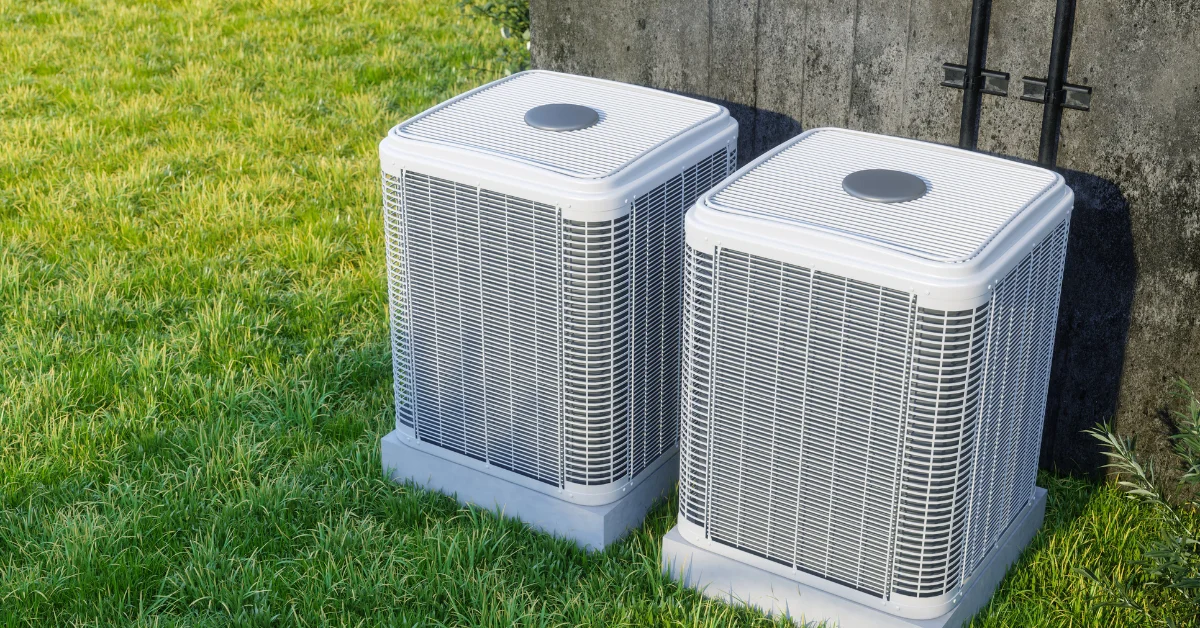
Your air conditioner’s outdoor unit is constantly exposed to the environment. In coastal areas, that means salt, sand, and moisture all at once.
This can lead to:
- More frequent cleaning needs
- Faster buildup on coils
- Increased wear on moving parts
Routine maintenance becomes especially important in these conditions.
5. Small Issues Can Build Up Over Time
Coastal exposure doesn’t usually cause sudden failure. Instead, it causes gradual, slow changes that can affect performance.
You might notice:
- Longer cooling cycles
- Slight increases in energy use
- Less consistent indoor comfort
These changes can be subtle at first but may become more noticeable over time.
6. Why Maintenance Matters More in Coastal Homes
Regular maintenance helps reduce the effects of salt, sand, and moisture. Simple care steps can make a meaningful difference in system performance.
Maintenance may include:
- Cleaning outdoor coils
- Checking electrical components
- Inspecting for early signs of corrosion
Staying ahead of buildup can help your system run more smoothly during peak summer use.
Keeping Your Cooling System Ready for Coastal Conditions
Cape Cod’s coastal environment is part of what makes living here special, but it also means your cooling system works under unique conditions.
If your AC hasn’t been checked recently, Harwich Port Heating & Cooling can help evaluate your system and recommend next steps tailored to your home.
To schedule service or ask a question, visit our online form or call (508) 514-5400.